What hard water does to a bathroom
Water across the Chicago suburbs typically carries dissolved minerals, mainly calcium and magnesium. They leave a chalky film on glass, clog showerhead nozzles, build crust around faucets and slowly dull some finishes. None of this is dramatic, and all of it adds up. If you've scrubbed white spots off a shower door that returned the next week, that's the effect.
You can't remove minerals from the water with tile choice, but you can pick materials that tolerate them and set up the room so cleaning is easy. Some households also add a whole-house water softener, which is a plumbing decision separate from a bathroom remodel; ask a licensed plumber what it would involve.
Choose finishes that shrug it off
Faucets and showerheads
Finishes labeled PVD (physical vapor deposition) are generally harder and more resistant to scratching and tarnish than basic plated finishes. Showerheads with silicone nozzles can be rubbed clean with a thumb. Choose fixtures with accessible aerators and cartridges that can be replaced rather than sealed units.
Glass
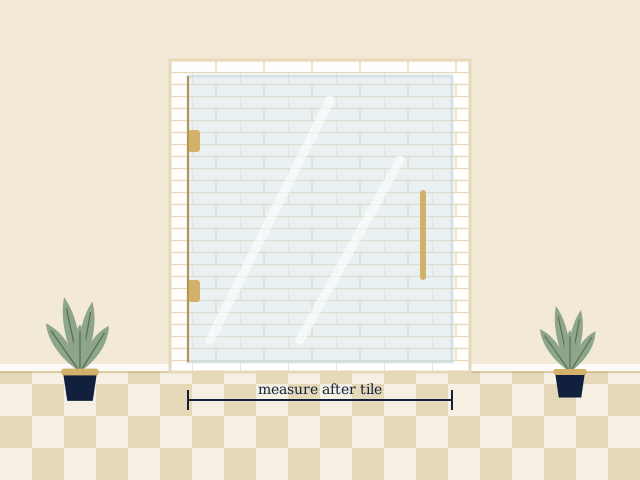
Clear glass shows spots most. A protective glass coating can help water bead off, and a squeegee after showers does more than any product. Our shower door and glass enclosure page covers styles and care.
Grout
Standard cement grout is porous and stains easily in mineral-heavy water. Epoxy grout is more resistant but costs more and is harder to install, so it needs an installer familiar with it. A mid-tone grout hides discoloration better than white. See bathroom tile installation for the full rundown.
Tile
Dense porcelain is a good bet. Natural stone can etch and stain, so if you love it, plan on sealing and using stone-safe cleaners. Glossy tile is easiest to wipe clean.
Design choices that make cleaning easier
- Larger tiles mean fewer grout lines to scrub.
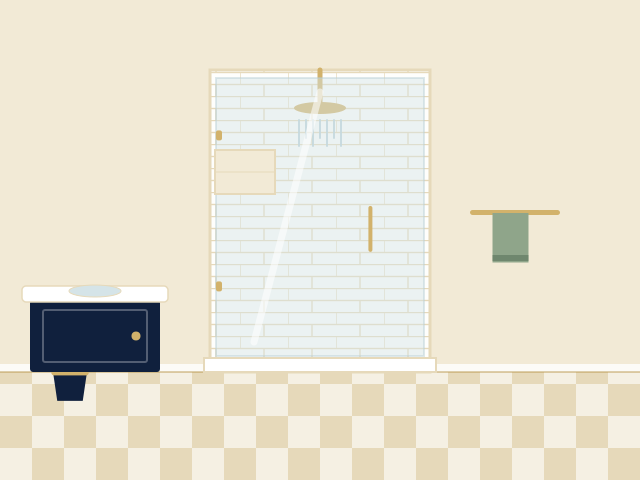
- A built-in niche beats a hanging caddy, which collects scale and rust.
- A slightly sloped shower ledge lets water run off rather than pooling.
- A handheld sprayer makes rinsing the walls and door after use quick.
- A good exhaust fan dries surfaces faster, leaving less time for minerals to bake on.
Maintenance that works
A weekly wipe of glass and fixtures goes further than a monthly deep clean. For showerheads, a soak in white vinegar loosens mineral deposits; follow the manufacturer's guidance, since some finishes shouldn't be soaked. Don't use acidic cleaners on natural stone or unsealed grout. And if the water heater is old, sediment can build up at the bottom of the tank, which a plumber can flush.
Before you start
If your bathroom is part of a larger plan, our overview of bathroom remodeling services in Naperville covers how to sequence the work. In Naperville, projects involving plumbing or electrical work need a residential alteration permit, and plumbing contractors submit a State of Illinois plumbing license. The City of Naperville residential alteration guidance explains the details. Cosmetic work like painting or new flooring alone typically doesn't need a permit.
When you call, mention any water issues you've noticed: low pressure at one fixture, discolored water or heavy scaling. Those details help a provider spot problems with pipes or the water heater that a remodel can address. If you're also considering moving the layout around, shower remodeling explains the decisions that shape the work.